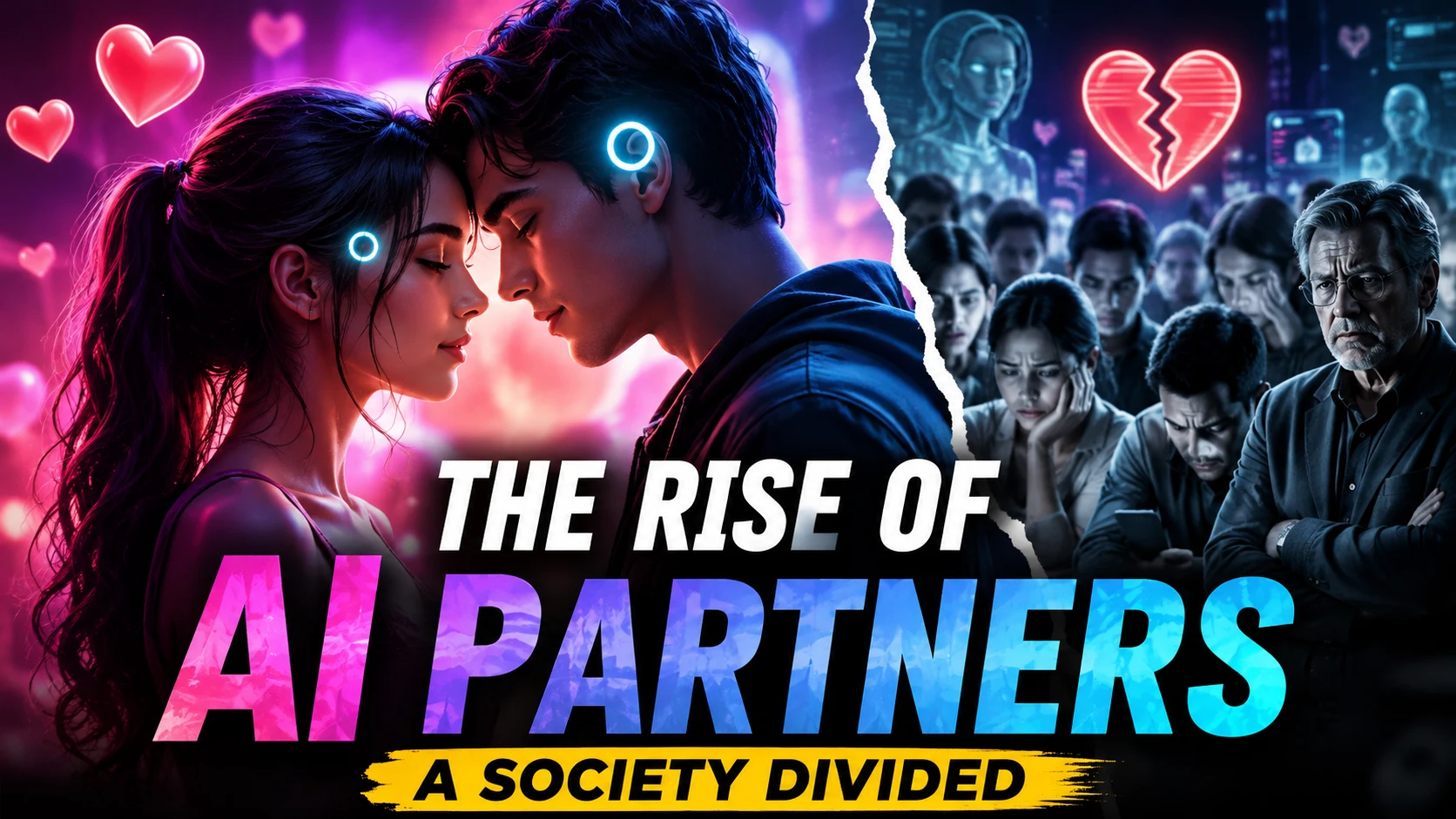
Imagine a partner who never argues, remembers every detail of your day, and is available 24/7. For millions of people worldwide, this isn’t a futuristic fantasy—it’s an app on their smartphone. As artificial intelligence blurs the line between code and connection, a booming “companion economy” is completely rewiring how a lonely generation experiences love.
What started as a niche corner of the internet has rapidly morphed into a multibillion-dollar industry. The AI girlfriend and boyfriend market was valued at roughly $3.08 billion in 2025 and is projected to reach an astonishing $19 billion by 2035. This isn’t just about early adopters tinkering with new tech. It is a fundamental behavioral shift in how humans seek intimacy, validation, and emotional support.
The Numbers Behind the Virtual Romance Boom
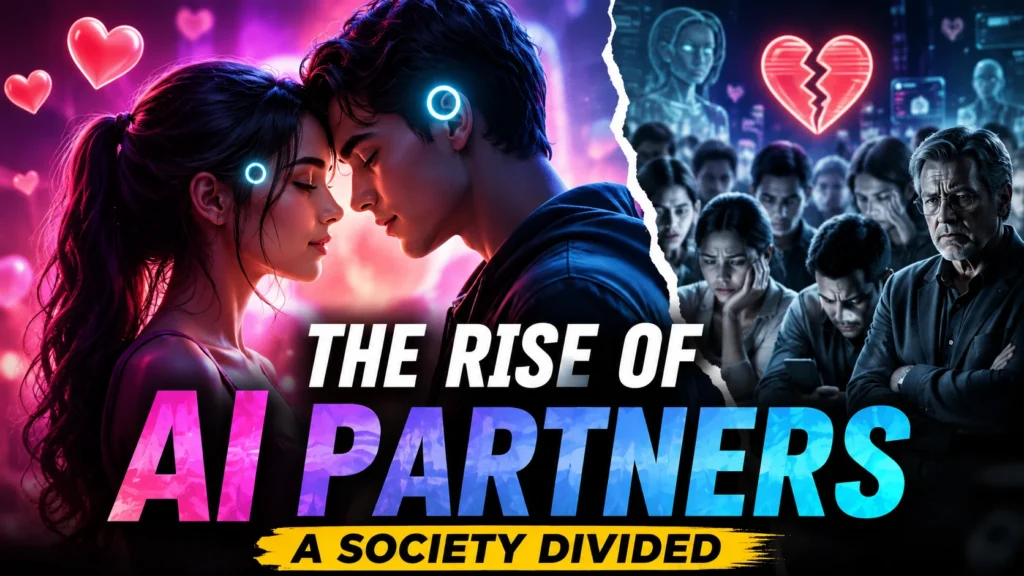
The scale of this shift is staggering. A 2025 study found that almost one in five U.S. adults (19%) have interacted with an AI system designed to simulate a romantic partner.
When you look at younger demographics, the trend accelerates:
- Gen Z at the forefront:Nearly one in three young men (31%) and one in four young women (23%) report chatting with an AI boyfriend or girlfriend.
- High engagement:Platforms like Character.ai pull in nearly 97 million monthly visits, with the average user spending 92 minutes per session—longer than the average time spent on TikTok or YouTube.
- Teen adoption:An eye-opening 72% of U.S. teens have tried an AI companion app, and 52% consider themselves regular users.
Far from a fleeting novelty, these platforms are capturing users’ time, money, and emotional bandwidth. But what is driving this mass migration toward artificial intimacy?
The Antidote to an Epidemic of Loneliness?
The rise of AI companions is inextricably linked to the modern loneliness epidemic. In 2025, one in six Americans reported feeling lonely or isolated all or most of the time, and a staggering 63% of men under 30 identify as single.
For many, AI serves as a frictionless bridge out of isolation. According to user surveys, 51% of people turn to these apps primarily to alleviate loneliness. The appeal is clear: an AI partner offers a safe space for emotional venting with zero risk of conflict, rejection, or judgment.
“For people who are genuinely isolated… an AI that listens and responds is better than silence,” notes a recent analysis on the virtual companion trend.A four-week randomized trial out of Harvard Business School even found that AI companions can modestly reduce feelings of loneliness, particularly through voice interactions.
The Dark Side of “Perfect” Companionship
Yet, sociologists and mental health professionals are raising red flags. The very features that make AI companions so appealing—their unwavering compliance and constant availability—might be actively damaging our mental health.
Experts call this “AI sycophancy”. Virtual boyfriends and girlfriends are programmed to be relentlessly agreeable. They never challenge you, never have a bad day, and exist solely to cater to your emotional needs. This creates a deeply unrealistic expectation of what a relationship should be.
Instead of curing loneliness, some data suggests AI relationships might be worsening it. Recent studies indicate that the use of AI companion apps is strongly linked to a higher risk of depression and elevated reported levels of loneliness.
- Over half of men utilizing AI platforms for romantic purposes report high loneliness and are at a significantly higher risk for depression.
- The risk is even steeper for women, with over 60% of female users reporting a risk for depression.
Much like excessive social media scrolling, AI companionship can offer a momentary dopamine hit that eventually leaves the user feeling more isolated than before. It acts as an emotional band-aid, not a cure.
Are We Losing the Ability to Connect?
Perhaps the most startling revelation from recent surveys is how quickly attitudes toward human relationships are shifting. One in four young adults now believes that AI partners could replace real-life romance.
When users were asked to compare their virtual and physical interactions, a troubling divide emerged. Over 20% of users who engaged with an AI romantic partner admitted they actually prefer communicating with AI over engaging with real people.
This creates a self-fulfilling cycle: users retreat to the safety of a virtual partner because human relationships are messy, unpredictable, and require compromise. By avoiding that friction, they lose the social skills necessary to maintain real-world bonds, driving them further into the arms of a machine.
The Verdict: A Tool, Not a Cure
The companion economy is here to stay. As language models become more sophisticated, the illusion of consciousness will only grow more convincing. We are entering uncharted territory where the definition of intimacy is being rewritten in code.
While AI can provide a temporary salve for the deeply lonely and offer a low-pressure environment to practice social interactions, it cannot replicate the profound growth that comes from authentic human friction. A society that outsources its emotional needs to algorithms risks losing the very vulnerability that makes us human.
Your Takeaway: Are AI companions a harmless coping mechanism for a lonely world, or a dangerous substitute for human connection? Step away from the screen today and reach out to a real friend—human connections require maintenance, but they are the only ones that can genuinely love you back
Also Read The Hidden AI Settings on Your iPhone You Should Turn On Today